

Healthy, vibrant skin is something many people strive for, yet achieving it can often feel challenging. Acne breakouts, clogged pores, uneven texture, fine lines, and dullness are concerns that affect millions of individuals worldwide. While the beauty industry offers countless products claiming to solve these issues, only a few ingredients have consistently maintained the trust of dermatologists and skincare professionals over decades.
One of the most respected among them is tretinoin.
Tretinoin has become a cornerstone of modern skincare because of its unique ability to support skin renewal. Unlike many ingredients that focus only on surface-level improvements, tretinoin works by encouraging the skin’s natural regeneration process. This makes it a popular choice for individuals seeking clearer skin, smoother texture, and a more youthful appearance.
Understanding the Skin Renewal Process
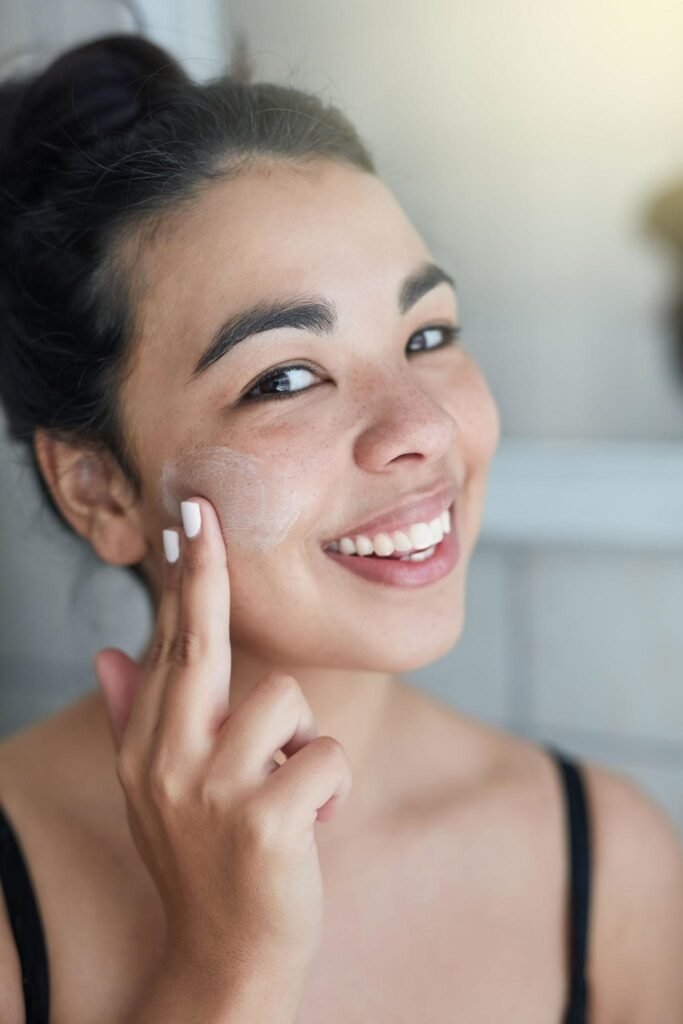
The skin constantly renews itself through a process known as cell turnover. New skin cells are created in deeper layers and gradually move toward the surface. As older cells shed away, fresh cells take their place.
When this process functions efficiently, skin often appears:
- Smoother
- Brighter
- More even-toned
- Less congested
- Healthier overall
However, several factors can slow this natural cycle:
- Aging
- Sun exposure
- Environmental pollution
- Stress
- Hormonal fluctuations
- Poor skincare habits
As cell turnover slows, dead skin cells may accumulate on the surface, contributing to rough texture, clogged pores, dullness, and the appearance of fine lines.
What Is Tretinoin?

Tretinoin is a derivative of vitamin A and belongs to a family of compounds known as retinoids. It has been used in dermatology for decades and remains one of the most recognized topical ingredients for improving skin appearance.
Unlike many cosmetic ingredients that primarily affect the outer layer of the skin, tretinoin influences the skin’s renewal process at a deeper level.
Its benefits are often associated with:
- Increased cell turnover
- Improved skin texture
- Reduced pore congestion
- Brighter complexion
- Improved skin clarity
- More even-looking skin tone
Because it addresses multiple concerns simultaneously, tretinoin continues to be one of the most versatile skincare ingredients available.
Why Tretinoin Is Popular for Acne-Prone Skin
One of the primary reasons tretinoin became widely used was its role in acne management.
Acne often develops when pores become clogged with excess oil, dead skin cells, and debris. By encouraging more efficient skin turnover, tretinoin helps reduce the buildup that can contribute to blocked pores.
Potential benefits for acne-prone skin include:
Reduced Pore Congestion
Regular skin renewal may help prevent dead skin cells from accumulating inside pores.
Smoother Skin Texture
As clogged pores become less common, the skin may gradually appear smoother and more refined.
Improved Appearance of Post-Acne Marks

Many individuals continue using tretinoin after active breakouts improve because of its role in supporting skin renewal and helping improve overall skin tone.
Tretinoin and Visible Signs of Aging
Beyond acne care, tretinoin has become a popular component of anti-aging skincare routines.
As people age, several changes naturally occur within the skin:
- Slower cell turnover
- Reduced collagen production
- Increased appearance of fine lines
- Uneven texture
- Loss of radiance
Tretinoin is often used as part of long-term skincare strategies designed to support healthier-looking skin and improve overall appearance.
Many individuals appreciate that a single ingredient can address multiple concerns at once, making skincare routines more streamlined and effective.
Improving Uneven Skin Tone
Uneven skin tone can result from a variety of factors, including:
- Previous acne breakouts
- Sun exposure
- Environmental stressors
- Natural aging
By promoting skin renewal, tretinoin may contribute to a brighter and more balanced complexion over time.
While results vary from person to person, many individuals incorporate tretinoin into routines focused on improving overall skin clarity and achieving a more uniform appearance.
Why Consistency Matters
One of the most important aspects of tretinoin use is consistency.
Many people begin treatment expecting immediate changes, but skin renewal is a gradual biological process. Improvements often occur over weeks and months rather than days.
Successful long-term skincare habits typically involve:
- Following a consistent routine
- Being patient with results
- Avoiding unnecessary product changes
- Supporting the skin with hydration
- Maintaining daily sun protection
Those who remain consistent often experience the most meaningful improvements over time.
Supporting Skin Health While Using Tretinoin
A balanced skincare routine can help maximize the benefits of tretinoin.
Gentle Cleansing
Using a mild cleanser helps remove dirt and impurities without disrupting the skin barrier.
Moisturization
Hydrated skin tends to tolerate active ingredients more comfortably and often appears healthier overall.
Daily Sun Protection
Sun protection is particularly important because renewed skin may be more sensitive to ultraviolet exposure.
Benefits of sunscreen include:
- Supporting treatment results
- Protecting skin health
- Reducing environmental damage
- Helping maintain a more even complexion
Avoiding Overuse of Active Ingredients
Many people make the mistake of combining too many strong skincare products at once. Simplicity and consistency often produce better results than overly complicated routines.
Choosing a Tretinoin-Based Product

As awareness of tretinoin continues to grow, many skincare enthusiasts seek formulations specifically designed to support skin renewal and overall complexion improvement.
One widely recognized option is Retin-A Gel, a tretinoin-based formulation commonly incorporated into skincare routines focused on acne management, texture refinement, and long-term skin rejuvenation.
For individuals seeking a proven ingredient with a long history of use in dermatology, tretinoin remains one of the most respected choices available.
Common Mistakes to Avoid
Even highly effective skincare ingredients can produce disappointing results when used incorrectly.
Applying Too Much Product
Using larger amounts does not necessarily improve outcomes and may increase irritation.
Skipping Moisturizer
Maintaining hydration helps support comfort and skin barrier function.
Ignoring Sun Protection
Consistent sunscreen use remains one of the most important habits for supporting healthy skin.
Expecting Overnight Results
Tretinoin works through gradual skin renewal rather than immediate cosmetic changes.
Patience is often a key factor in achieving successful long-term results.
Long-Term Benefits of Skin Renewal
One reason tretinoin has remained popular for decades is its versatility.
By supporting healthy skin turnover, it may contribute to:
- Improved skin texture
- Brighter complexion
- Reduced appearance of clogged pores
- More even skin tone
- Enhanced overall skin appearance
- Long-term skin confidence
These benefits make tretinoin a valuable addition to many skincare routines, regardless of whether the primary goal is acne management, texture improvement, or general skin maintenance.
Final Thoughts
While skincare trends frequently change, certain ingredients continue to stand the test of time because they consistently deliver meaningful results. Tretinoin remains one of the most respected ingredients in modern dermatology due to its ability to support skin renewal, improve texture, and contribute to a healthier-looking complexion.
For individuals looking to build a long-term skincare routine focused on clarity, smoothness, and overall skin health, tretinoin continues to be one of the most trusted and widely used options available.