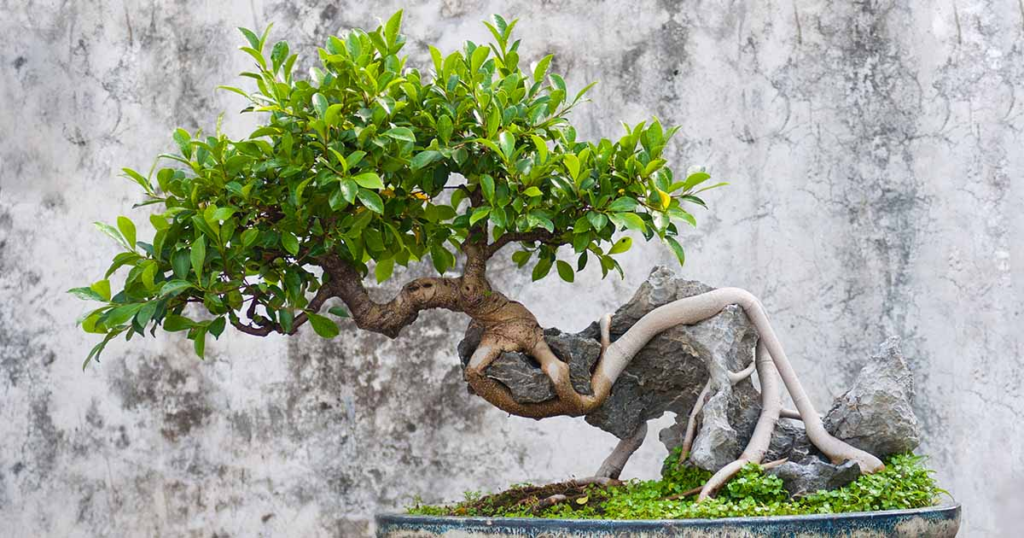

Chinese ficus is a popular evergreen plant known for its attractive appearance, dense foliage, and ability to adapt to different growing conditions. It belongs to the Ficus family and is commonly used as an indoor plant, bonsai tree, ornamental tree, or landscaping plant. Its glossy green leaves and twisting branches give it a natural and elegant look.
Many plant lovers choose Chinese ficus because it is relatively easy to maintain once it receives the right balance of light, water, and care. However, like most ficus plants, it can react to sudden environmental changes. Understanding its basic needs can help you grow a healthy, strong, and beautiful plant for many years.
What Is Chinese Ficus?
Chinese ficus generally refers to ficus varieties that are widely grown as ornamental plants, especially Ficus microcarpa. This plant is native to parts of Asia and is popular around the world because of its strong roots, thick trunk, and attractive canopy.
The plant can grow as a large outdoor tree in warm climates. Smaller versions are also commonly grown indoors in containers. One of the most recognizable forms is the Chinese ficus bonsai, which often features exposed roots and a thick, artistic trunk.
Because of its versatility, Chinese ficus is suitable for homes, offices, gardens, patios, and decorative landscapes.
Why Is Chinese Ficus So Popular?
There are several reasons why Chinese ficus has become a favorite among plant enthusiasts. First, it has an attractive appearance throughout the year because it is an evergreen plant. Its leaves remain green when it receives proper care.
Another major advantage is its adaptability. Chinese ficus can grow in containers and can also become a large tree when planted outdoors in suitable climates. It can tolerate pruning well, making it an excellent choice for bonsai artists.
The plant also creates a calm and natural atmosphere indoors. Its green foliage can make living spaces, offices, and balconies feel more welcoming and visually appealing.
Choosing the Right Location for Chinese Ficus
Location is one of the most important factors for growing a healthy Chinese ficus. The plant prefers bright, indirect sunlight. A location near a window can work well, especially if the plant receives several hours of filtered light each day.
Outdoor plants usually grow best in warm and bright environments. However, extremely harsh sunlight may cause stress in some conditions, particularly for young plants.
Try to avoid moving your Chinese ficus frequently. Ficus plants can be sensitive to sudden changes in temperature, lighting, and humidity. A stable environment usually helps the plant maintain healthy leaves and steady growth.
How Much Light Does Chinese Ficus Need?
Chinese ficus grows best when it receives plenty of bright light. Indoor plants should be placed near a bright window where they can receive indirect sunlight. Some gentle direct sunlight may also be beneficial.
If the plant receives too little light, growth may become slow. The leaves may also become less dense, and some leaf drop can occur. On the other hand, sudden exposure to intense sunlight may damage leaves.
The best approach is to provide consistent lighting. If you need to move the plant to a brighter area, do it gradually. This gives the Chinese ficus time to adjust to its new environment.
Watering a Chinese Ficus Properly
Proper watering is essential for a healthy Chinese ficus. The soil should remain moderately moist but should never stay constantly wet. Too much water can create root problems and lead to yellowing or falling leaves.
Before watering, check the top layer of soil. If it feels dry, the plant may need water. Water thoroughly until excess water begins to drain from the bottom of the container.
Always make sure the pot has drainage holes. Standing water around the roots can cause serious damage over time. During cooler months, the plant may require less water because its growth often slows.
Instead of following a strict daily schedule, observe the soil and the condition of your plant.
Best Soil for Chinese Ficus
Chinese ficus prefers soil that drains well while still holding enough moisture for healthy roots. A loose and balanced potting mixture is usually a good choice for container-grown plants.
Heavy soil that holds too much water can increase the risk of root rot. Adding materials that improve drainage can help create a healthier growing environment.
For bonsai forms, special bonsai soil mixes are often used because they provide better drainage and airflow around the roots. Good soil also makes it easier to manage watering.
When repotting Chinese ficus, choose a suitable container and avoid using a pot that is excessively large compared with the root system.
Temperature and Humidity Requirements
Chinese ficus generally prefers warm temperatures. It does not respond well to cold conditions or sudden temperature changes. Indoor plants should be protected from cold drafts, air conditioners, and sudden exposure to chilly outdoor weather.
Moderate humidity is usually helpful, particularly for plants grown indoors. Very dry air may affect the appearance of the leaves.
If your indoor environment is extremely dry, you can improve humidity around the plant by grouping plants together or using other suitable humidity methods. Good airflow is also important because stagnant conditions can sometimes encourage plant problems.
Maintaining a stable environment is often more important than making frequent changes.
Fertilizing Your Chinese Ficus
Chinese ficus benefits from nutrients during its active growing period. A balanced fertilizer designed for houseplants or ornamental plants can support healthy foliage and root development.
Fertilizer should be used according to the product instructions. Applying too much fertilizer can damage the roots and create unnecessary stress.
During periods of active growth, regular feeding may help the plant develop stronger leaves and branches. During slower growth periods, fertilizer requirements may decrease.
A healthy Chinese ficus does not need excessive fertilizer. Proper light, watering, soil, and temperature are equally important for long-term success.
Pruning and Shaping Chinese Ficus
One of the best features of Chinese ficus is its ability to tolerate pruning. Regular trimming can help maintain the desired size and shape of the plant.
Remove dead, damaged, or unhealthy branches when necessary. You can also trim longer branches to encourage a fuller appearance.
For bonsai growers, pruning is an important part of developing the tree’s artistic form. Careful trimming helps control growth and can improve the balance between branches, leaves, and roots.
Always use clean and sharp pruning tools. Avoid removing too much growth at once, especially if the plant is already stressed.
Repotting Chinese Ficus
Chinese ficus may eventually outgrow its container. Signs that repotting may be needed include roots becoming crowded, soil drying unusually quickly, or reduced plant growth.
Choose a pot that provides enough room for healthy root development. Good drainage is essential. When removing the plant from its old pot, inspect the roots carefully and remove damaged sections if necessary.
Fresh soil can provide better growing conditions and improve drainage. After repotting, give the Chinese ficus time to adjust.
Avoid making too many major changes at the same time. For example, heavy pruning and repotting together may place additional stress on the plant.
Common Problems With Chinese Ficus
Leaf drop is one of the most common concerns among Chinese ficus owners. This can happen because of sudden changes in light, temperature, watering habits, or location.
Yellow leaves may indicate overwatering or other environmental stress. Dry or brown leaf edges can sometimes occur when the plant experiences dry conditions or inconsistent watering.
Pests may also occasionally affect the plant. Regularly checking leaves and stems can help you identify problems early.
The best solution is usually to examine the plant’s growing conditions. Check the light, soil moisture, temperature, drainage, and overall environment before making major changes.
Chinese Ficus as a Bonsai Plant
Chinese ficus is especially popular in the world of bonsai. Its strong roots, flexible growth, and ability to recover from pruning make it a suitable species for shaping.
A Chinese ficus bonsai can develop an impressive appearance with proper care and patience. Growers may shape branches, prune roots, and carefully manage the size of the tree over time.
Bonsai growing requires regular observation because the small container limits the amount of soil and water available. However, the result can be a beautiful miniature tree with a unique and artistic character.
How to Keep Chinese Ficus Healthy
The key to maintaining a healthy Chinese ficus is consistency. Provide stable lighting, water when the soil needs it, and ensure proper drainage.
Avoid constantly moving the plant from one location to another. Monitor the leaves regularly for signs of stress, pests, or watering problems.
Prune when necessary, provide nutrients during active growth, and repot when the root system becomes crowded. With patience and regular care, Chinese ficus can remain an attractive part of your home or garden for many years.
Conclusion
Chinese ficus is a beautiful, versatile, and rewarding plant for both beginners and experienced growers. Whether grown as a houseplant, outdoor tree, or bonsai, it can add natural beauty to almost any environment.
The most important aspects of Chinese ficus care are bright light, proper watering, well-draining soil, warm temperatures, and a stable environment. Avoid sudden changes whenever possible and pay attention to the condition of the leaves and soil.
With the right care and regular observation, your Chinese ficus can develop strong roots, healthy foliage, and an impressive shape. Start with the basics, remain consistent, and enjoy watching this attractive evergreen plant grow over time.
Frequently Asked Questions
Is Chinese ficus easy to grow?
Yes, Chinese ficus can be relatively easy to grow when it receives proper light, water, and stable environmental conditions.
Can Chinese ficus grow indoors?
Yes, Chinese ficus can grow indoors successfully. Place it in a bright location with plenty of indirect light.
Why are the leaves falling from my Chinese ficus?
Leaf drop can occur because of changes in temperature, lighting, watering habits, or location.
How often should I water Chinese ficus?
Watering depends on the soil and environment. Check the top layer of soil and water when it begins to feel dry.
Does Chinese ficus need direct sunlight?
Chinese ficus prefers bright light. Some gentle direct sunlight can be helpful, but sudden intense exposure should be avoided.
Can Chinese ficus be used for bonsai?
Yes, Chinese ficus is a popular bonsai plant because it responds well to pruning and shaping.