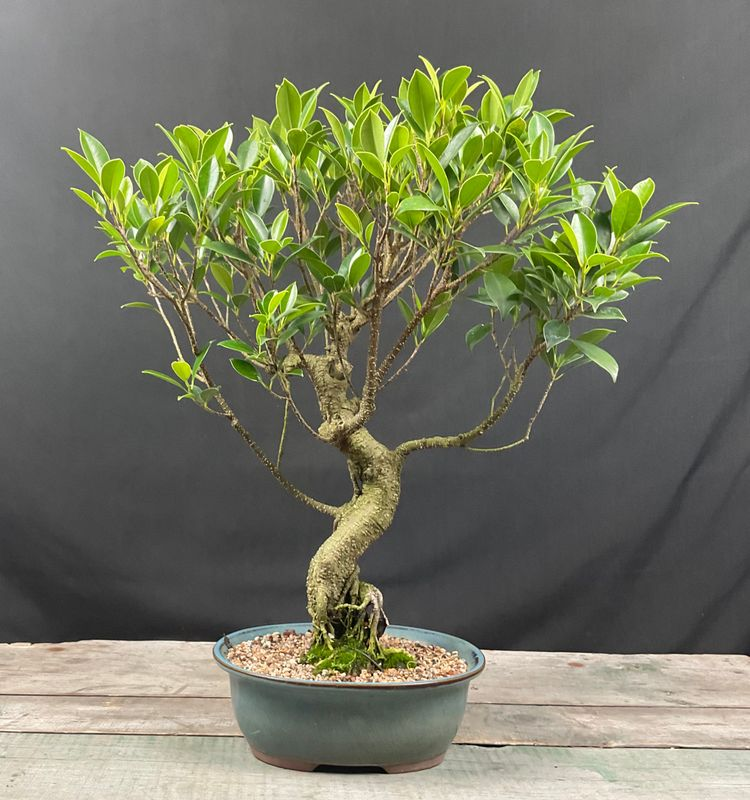

Bonsai trees have a special place in gardening and landscaping. These small, carefully shaped trees bring natural beauty into homes, offices, gardens, hotels, and commercial spaces. As the popularity of bonsai continues to grow, many retailers, landscapers, nurseries, and plant businesses are looking for reliable bonsai wholesale suppliers.
Buying bonsai trees at wholesale prices can help businesses reduce costs and access a larger variety of plants. However, choosing the right supplier and understanding the quality of bonsai trees is important. This guide explains everything you need to know about bonsai wholesale, including its benefits, types of bonsai, supplier selection, care, pricing, and business opportunities.
What Is Bonsai Wholesale?
Bonsai wholesale refers to purchasing bonsai trees in large quantities directly from growers, nurseries, or distributors. Instead of buying one tree at a retail price, businesses can order multiple bonsai plants at a lower price per unit.
Wholesale bonsai is popular among garden centers, flower shops, online plant stores, interior designers, and landscaping companies. Some suppliers also sell bonsai pots, tools, soil, fertilizers, and decorative accessories.
The main advantage of wholesale purchasing is cost savings. Businesses can buy a larger inventory and then sell individual trees to customers at retail prices. Wholesale suppliers may also provide different sizes, species, and styles, making it easier to build a diverse product collection.
Why Businesses Choose Bonsai Wholesale
There are several reasons why businesses prefer bonsai wholesale purchasing. The first reason is affordability. Buying in bulk usually costs less than purchasing individual bonsai trees from retail stores.
Another major benefit is product variety. Wholesale nurseries may offer indoor bonsai, outdoor bonsai, flowering bonsai, tropical species, and beginner-friendly plants. This gives retailers more options for different types of customers.
Wholesale buying can also create better profit opportunities. A business can purchase trees at a lower wholesale rate, add packaging or other services, and sell them at a higher retail price.
In addition, working directly with a supplier can help maintain a regular inventory. This is especially useful for businesses that receive frequent orders from customers.
Popular Types of Bonsai Trees Available Wholesale
A good bonsai wholesale supplier may offer many different tree species. The right selection depends on climate, customer demand, and the level of care required.
Some popular bonsai varieties include:
- Ficus bonsai
- Juniper bonsai
- Chinese elm bonsai
- Jade bonsai
- Japanese maple bonsai
- Azalea bonsai
- Pine bonsai
- Carmona or Fukien tea bonsai
- Bougainvillea bonsai
- Schefflera bonsai
Ficus is often a popular choice for beginners because it can adapt well to indoor environments. Juniper bonsai is also widely recognized for its traditional appearance and attractive foliage.
Retailers should consider offering both beginner-friendly and advanced bonsai trees. Beginners may want low-maintenance plants, while experienced bonsai collectors may look for older and more unique specimens.
How to Choose a Reliable Bonsai Wholesale Supplier
Choosing the right supplier is one of the most important steps in the bonsai wholesale business. A low price may seem attractive, but plant quality should always be considered.
First, check the health of the trees. Healthy bonsai should have strong roots, good foliage, and no serious signs of disease or pests. The trunk, branches, and leaves should match the expected quality of the species.
Ask the supplier about their growing methods and packaging process. Bonsai trees are delicate, especially during transportation. Poor packaging can damage branches, pots, or roots.
It is also helpful to ask about minimum order quantities. Some wholesale suppliers require buyers to purchase a certain number of trees. Others may offer flexible orders for smaller businesses.
Before placing a large order, consider requesting a small sample order. This allows you to inspect the quality before making a larger investment.
Important Factors That Affect Bonsai Wholesale Prices
The price of bonsai trees can vary greatly. Several factors influence the cost of a bonsai wholesale order.
One important factor is the age of the tree. Older bonsai trees often require many years of training and care. Because of this, they are usually more expensive than younger plants.
The species also affects the price. Rare or difficult-to-grow varieties may cost more. The shape and artistic development of the bonsai can also increase its value.
Other factors include:
- Tree size
- Pot quality
- Root development
- Shipping distance
- Quantity ordered
- Seasonal availability
- Packaging requirements
Buying a larger quantity may reduce the price per tree. However, businesses should avoid ordering more inventory than they can properly store and maintain.
Quality Control When Buying Bonsai in Bulk
Quality control is essential when purchasing wholesale plants. Every bonsai tree should be checked before it is sold to customers.
Look for damaged branches, dry leaves, weak roots, insects, and signs of disease. Some trees may experience stress during shipping, so they may need time to recover before being displayed or delivered.
A proper inspection process can protect your business reputation. Customers expect bonsai trees to arrive healthy and attractive.
It is also important to maintain accurate product information. The plant species, age range, care requirements, and recommended environment should be clearly explained to customers.
Good product descriptions can reduce customer confusion and improve satisfaction.
How to Store and Care for Wholesale Bonsai Trees
After receiving a bonsai wholesale order, proper care is necessary. Bonsai trees should not simply remain inside shipping boxes or storage areas for long periods.
Each species has different needs. Some bonsai trees require direct sunlight, while others prefer bright indirect light. Watering requirements also vary depending on the tree, soil, weather, and pot size.
Check the soil regularly. Avoid allowing the bonsai to become completely dry, but do not overwater it either. Excess water can lead to root problems.
Temperature is another important factor. Outdoor species may need seasonal conditions, while tropical bonsai may require protection from cold temperatures.
Businesses that sell bonsai should train their staff in basic plant care. This helps maintain healthy inventory and allows employees to answer customer questions confidently.
Starting a Bonsai Wholesale Business
Starting a bonsai-related business can offer opportunities for entrepreneurs who enjoy plants and gardening. A business can focus on buying from a bonsai wholesale supplier and selling directly to customers.
Possible sales channels include:
- Physical plant stores
- Garden centers
- E-commerce websites
- Social media stores
- Local markets
- Landscaping services
- Gift shops
Online sales can help businesses reach customers in different locations. However, shipping live plants requires careful planning. Strong packaging and clear delivery policies are essential.
A new business can begin with a small selection of popular species. As customer demand grows, the product range can expand.
Marketing Tips for Wholesale Bonsai Sellers
Good marketing can help a bonsai business attract more customers. High-quality photos are especially important because bonsai trees are visually appealing products.
Create clear product pages with useful information about each tree. Include details about light, watering, maintenance, and expected growth.
Educational content can also attract potential buyers. For example, businesses can publish articles or videos about bonsai pruning, watering, repotting, and beginner care.
Social media is another useful marketing channel. Sharing before-and-after styling photos, customer reviews, and care tips can build trust.
Offering starter kits can also increase sales. A kit may include a bonsai tree, pot, soil, pruning tools, and a simple care guide.
Common Mistakes to Avoid When Buying Wholesale Bonsai
One common mistake is focusing only on price. The cheapest supplier may not always provide healthy or properly developed trees.
Another mistake is ordering too much inventory. Bonsai trees require space, care, and attention. Overstocking can lead to plant damage and financial losses.
Businesses should also avoid selling bonsai without providing care information. Many customers, especially beginners, need guidance.
Poor packaging is another major problem. A beautiful bonsai can lose its value if it arrives with broken branches or damaged roots.
Finally, avoid relying on only one product type. Offering several species and price ranges can help attract a wider audience.
The Future of Bonsai Wholesale
The demand for decorative plants and natural indoor products continues to create opportunities for the bonsai market. Bonsai trees are not only plants; they are also living art pieces that can become long-term hobbies for customers.
As online plant shopping grows, bonsai wholesale suppliers and retailers can reach more buyers through digital stores and social media. Businesses that focus on plant quality, reliable delivery, honest information, and good customer support may have a stronger chance of building customer loyalty.
Sustainable growing practices may also become more important. Customers increasingly value healthy plants and responsible business practices.
Conclusion
Bonsai wholesale can be an excellent option for retailers, nurseries, landscapers, and entrepreneurs who want to sell these unique and beautiful trees. Buying in bulk can reduce costs, increase product variety, and create better business opportunities.
Success depends on choosing healthy plants, working with reliable suppliers, maintaining proper inventory care, and providing useful information to customers. Whether you are starting a new plant business or expanding an existing garden store, wholesale bonsai can offer a valuable addition to your product range.
By focusing on quality, customer service, and proper bonsai care, you can build a trusted business and help more people enjoy the beauty of these remarkable miniature trees.