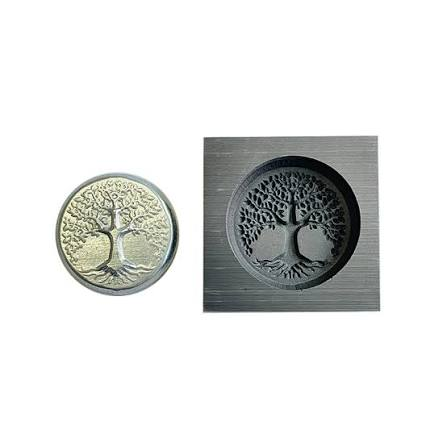

Graphite molds are widely used in modern manufacturing because they can handle high temperatures, provide excellent thermal conductivity, and support precise production processes. Industries such as metal casting, jewelry, glass manufacturing, semiconductor production, and continuous casting rely on graphite molds for consistent results. However, the quality of the final product often depends on selecting the right graphite mold supplier.
A reliable supplier does more than simply sell graphite products. The right company understands material properties, machining requirements, mold design, quality control, and industry-specific needs. This guide explains what a graphite mold supplier does, why graphite molds are valuable, and how to choose a supplier that matches your manufacturing requirements.
What Is a Graphite Mold Supplier?
A graphite mold supplier is a company that manufactures, designs, machines, or distributes molds made from graphite materials. These molds are used to shape metals and other materials during high-temperature manufacturing processes.
Graphite is a popular mold material because it offers several useful properties. It can withstand extreme temperatures, transfer heat efficiently, and maintain good dimensional stability. Depending on the application, suppliers may offer standard graphite molds or custom-designed products.
A professional supplier usually provides services such as:
- Custom graphite mold design
- CNC machining
- Material selection
- Prototype development
- Precision finishing
- Quality inspection
- Bulk production
- Technical support
The best supplier will understand the specific requirements of the customer’s industry and recommend a suitable graphite grade.
Why Graphite Is Used for Manufacturing Molds
Graphite has several characteristics that make it suitable for demanding industrial applications. One of its most important benefits is its ability to perform at very high temperatures.
Unlike many conventional materials, graphite can maintain its structure in high-temperature environments when used under appropriate conditions. This makes it useful for metal processing and thermal manufacturing.
Another important advantage is thermal conductivity. Graphite can transfer heat efficiently, which helps support controlled heating and cooling during production.
Other benefits include:
- High temperature resistance
- Good thermal conductivity
- Low thermal expansion
- Easy machinability
- Good dimensional stability
- Resistance to thermal shock
- Ability to create complex mold shapes
These features make graphite a practical choice for companies that need reliable and precise mold solutions.
Industries That Use Graphite Molds
Graphite molds are used across many industries. Different applications require different graphite grades, mold designs, and machining tolerances.
The metal casting industry uses graphite molds to produce components from gold, silver, copper, aluminum, and other metals. Jewelry manufacturers also use precision graphite molds when producing detailed shapes.
In continuous casting, graphite components can help guide and shape molten material during the manufacturing process. Semiconductor and electronics industries may also use specialized graphite components in high-temperature operations.
Common industries include:
- Metal casting
- Jewelry manufacturing
- Aerospace
- Automotive manufacturing
- Electronics
- Semiconductor production
- Glass manufacturing
- Research laboratories
Because every industry has different requirements, working with an experienced graphite mold supplier can improve product performance and manufacturing efficiency.
How to Choose the Right Graphite Mold Supplier
Choosing the right graphite mold supplier requires more than comparing prices. A lower-cost product may not provide the required accuracy, durability, or material quality.
Start by evaluating the supplier’s experience. A company with knowledge of graphite machining and industrial applications is more likely to understand technical requirements.
You should also ask about available graphite grades. Fine-grain, medium-grain, high-density, and other specialized graphite materials can perform differently depending on the application.
Important factors to consider include:
- Manufacturing experience
- Material quality
- Custom machining capabilities
- Production capacity
- Quality control procedures
- Technical support
- Delivery reliability
- Pricing transparency
A strong supplier should clearly explain which material and design options are suitable for your project.
The Importance of Graphite Material Quality
Not all graphite materials have the same properties. The density, grain size, strength, porosity, and thermal performance can vary significantly.
For this reason, a professional graphite mold supplier should help customers select the right grade. Using an unsuitable graphite material may lead to faster wear, poor surface quality, or reduced mold life.
Fine-grain graphite is often selected for applications that require detailed machining and smooth surfaces. Other applications may require stronger or more porous graphite materials.
Material selection should depend on factors such as operating temperature, the type of metal being processed, production volume, and required tolerances.
A knowledgeable supplier will examine these conditions before recommending a graphite solution.
Custom Graphite Mold Manufacturing
Many manufacturing processes require custom molds rather than standard products. A custom mold can be designed around the exact dimensions and production requirements of a specific component.
The process usually begins with a technical drawing, CAD file, sample, or detailed specification. Engineers then select a suitable graphite material and prepare the design for machining.
Modern CNC equipment allows manufacturers to create complex shapes with high levels of accuracy. Features such as channels, cavities, holes, curves, and detailed surfaces can be machined according to project requirements.
Custom manufacturing may include:
- CAD and design support
- CNC milling
- CNC turning
- Drilling
- EDM processing
- Surface finishing
- Precision inspection
Working with a capable graphite mold supplier can make the custom development process faster and more reliable.
Precision and Quality Control
Precision is essential when manufacturing graphite molds. Even a small dimensional error can affect the final product.
Reliable suppliers use measuring and inspection equipment to check critical dimensions during and after production. Quality control may include dimensional inspection, surface checks, material verification, and visual examination.
Clear communication is also important. Customers should provide accurate drawings, tolerances, and technical requirements before production begins.
Before placing a large order, some companies request a prototype or sample. This allows the design and material to be tested before full-scale manufacturing starts.
A supplier with strong quality control procedures can help reduce production problems and unnecessary material waste.
Lead Times and Production Capacity
Delivery time can have a major impact on manufacturing operations. Before choosing a supplier, ask about normal lead times for prototypes, custom molds, and large production orders.
A supplier’s production capacity should also match your requirements. Some companies specialize in small custom projects, while others are equipped for large industrial orders.
Important questions include:
- How quickly can a prototype be produced?
- What is the standard production lead time?
- Can urgent orders be supported?
- Is large-volume production available?
- How is product packaging handled?
A dependable graphite mold supplier should provide realistic delivery estimates rather than making promises that cannot be achieved.
Technical Support and Customer Service
Technical support is another important part of choosing a supplier. Customers may need assistance with material selection, mold design, machining tolerances, or product maintenance.
A knowledgeable supplier can help identify potential problems before production begins. For example, changing the mold design or selecting a different graphite grade may improve performance and extend service life.
Good communication also reduces mistakes. The supplier should be responsive and able to discuss technical requirements clearly.
When evaluating potential partners, consider how quickly they answer questions and whether they understand your application. Strong customer support can be especially valuable for custom and complex projects.
Cost Factors When Buying Graphite Molds
The cost of a graphite mold depends on several factors. Material grade is one of the biggest considerations, as premium graphite can have different performance characteristics and production costs.
The complexity of the design also affects pricing. A simple mold with basic machining usually costs less than a highly detailed component with tight tolerances.
Other cost factors include:
- Graphite grade
- Mold dimensions
- Design complexity
- Machining time
- Required tolerances
- Surface finishing
- Order quantity
- Testing and inspection requirements
- Shipping location
The cheapest option is not always the most cost-effective. A high-quality mold may last longer and reduce production errors, creating better long-term value.
Questions to Ask a Graphite Mold Supplier
Before making a purchasing decision, prepare a list of technical questions. This can help you compare different suppliers more effectively.
Ask whether the supplier has experience with your industry or application. Request information about available graphite grades and machining capabilities.
You may also ask about quality certifications, inspection procedures, sample production, and minimum order quantities.
Useful questions include:
- What graphite grades do you offer?
- Can you manufacture from custom CAD drawings?
- What tolerances can you achieve?
- Do you provide prototypes?
- How do you inspect finished products?
- What is your normal lead time?
- Can you handle repeat or bulk orders?
- Do you offer technical support?
The answers will help you determine whether the supplier can support both your current and future requirements.
Benefits of Building a Long-Term Supplier Relationship
A long-term relationship with a trusted graphite mold supplier can provide several advantages. Over time, the supplier becomes familiar with your products, technical requirements, and quality expectations.
This can reduce communication problems and speed up future orders. The supplier may also be able to suggest design improvements based on previous production experience.
Consistency is another major benefit. Using the same qualified supplier can help maintain stable material quality and manufacturing standards across multiple orders.
A strong partnership can also improve planning, inventory management, and production scheduling.
Final Thoughts
Choosing the right graphite mold supplier is an important decision for any company that depends on high-temperature and precision manufacturing. The ideal supplier should offer quality graphite materials, accurate machining, dependable delivery, and useful technical support.
Instead of focusing only on price, evaluate the supplier’s experience, material knowledge, manufacturing capabilities, and quality control systems. A company that understands your application can help you select the correct graphite grade and mold design.
Whether you need a single prototype or a large production order, working with a reliable graphite mold supplier can improve consistency, reduce manufacturing problems, and support long-term production success. By comparing suppliers carefully and communicating your technical requirements clearly, you can build a partnership that delivers reliable graphite mold solutions for your business.
Frequently Asked Questions
What does a graphite mold supplier provide?
A graphite mold supplier provides graphite molds, custom machining services, material selection, design support, and other manufacturing solutions depending on the company’s capabilities.
How do I choose a graphite mold supplier?
Compare experience, graphite material options, machining capabilities, quality control, pricing, technical support, and delivery performance.
Can graphite molds be customized?
Yes. Many suppliers can manufacture custom graphite molds based on CAD drawings, technical specifications, dimensions, or physical samples.
Why is graphite suitable for molds?
Graphite offers useful properties such as high-temperature performance, thermal conductivity, thermal shock resistance, dimensional stability, and good machinability.
What affects the price of a graphite mold?
Price can depend on graphite grade, mold size, design complexity, machining requirements, tolerances, finishing, order quantity, and inspection needs.
Can a graphite mold supplier handle bulk orders?
Many suppliers can support both prototypes and large-volume orders. However, production capacity and minimum order quantities vary between manufacturers.