
Steel stamping services offer manufacturers a practical way to produce metal parts with consistent quality and repeatable dimensions. The process uses specialized machinery and custom tooling to transform steel sheets, strips, or coils into components for different applications. Depending on the design, stamping can create holes, bends, curves, channels, and other features.
Modern manufacturers use steel stamping for both simple and highly detailed components. The process can support prototypes, short production runs, and large orders. With proper material selection, tooling, and quality control, steel stamping can deliver durable products while helping manufacturers manage production costs.
What Are Steel Stamping Services?
Steel stamping services refer to professional manufacturing processes that use pressure to shape or cut steel. A stamping press works with a punch and die to produce the required component.
The die contains the desired shape or geometry, while the punch applies force to the steel. Depending on the operation, the steel can be separated, bent, compressed, stretched, or formed.
A complete stamping service may include engineering consultation, material sourcing, die manufacturing, prototype production, stamping, inspection, finishing, and packaging.
This comprehensive approach allows businesses to manage multiple manufacturing requirements through a single supplier.
How Steel Stamping Projects Are Planned
Planning is one of the most important stages of a stamping project. Before production begins, engineers review the component’s design and determine how it can be manufactured efficiently.
They consider material grade, sheet thickness, part dimensions, tolerances, production quantity, and finishing requirements.
The engineering team then develops the necessary tooling. Computer-aided design software can help evaluate the component and identify possible manufacturing challenges.
Proper planning can reduce tooling changes, material waste, production delays, and quality problems.
Common Steel Stamping Processes
Different steel stamping processes are available for different component designs.
Blanking cuts a component shape from a larger sheet.
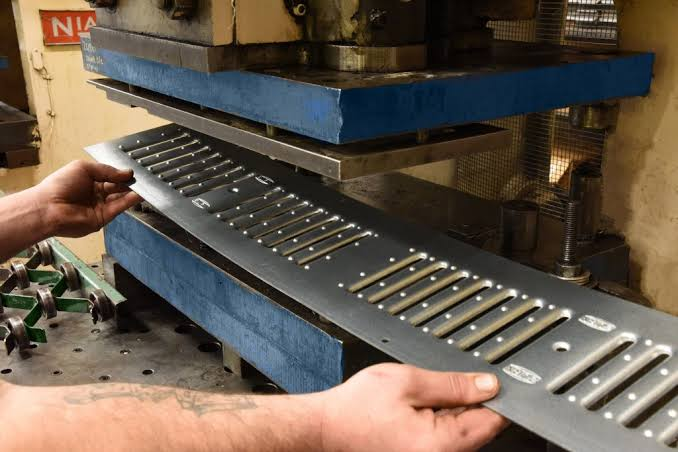
Piercing or punching creates holes and openings.
Bending forms the steel into specific angles.
Forming creates curves and three-dimensional features.
Drawing transforms flat material into deeper shapes.
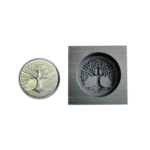
Embossing adds raised or recessed patterns.
Progressive stamping performs several operations as material moves through a specialized die.
Selecting the correct process can improve production efficiency and ensure that the component meets its intended specifications.
Materials Used in Steel Stamping
Steel stamping services can work with a wide variety of steel grades. Material selection should be based on the mechanical and environmental requirements of the finished product.
Low-carbon steel is frequently used when good formability is required. It can be shaped without excessive difficulty and works well for many general components.
Stainless steel offers excellent corrosion resistance and can be useful in demanding environments.
Galvanized steel has a protective zinc coating that helps resist corrosion.
High-strength steel may be selected for structural parts that must withstand substantial loads.
The right material depends on the balance between strength, formability, durability, appearance, and cost.
Why Steel Is a Popular Stamping Material
Steel is one of the most widely used materials in manufacturing. Its popularity comes from its combination of strength, availability, and versatility.
Many steel grades can be stamped into different shapes. Manufacturers can also choose from numerous thicknesses to meet specific product requirements.
Steel can support high-volume production while maintaining consistent component quality.
It can also be recycled, making efficient material management an important part of modern manufacturing.
For businesses that need durable components at competitive prices, steel stamping can provide an effective production solution.
Custom Stamping for Unique Components
Many products require components that cannot be produced using standard tooling. Custom steel stamping services allow manufacturers to create parts based on specific drawings and specifications.
Custom tooling can accommodate unusual dimensions, complex bends, special holes, and multiple forming requirements.
Manufacturers may produce prototypes or sample parts before beginning full-scale production. This provides an opportunity to verify fit and function.
Design adjustments can also be made before expensive tooling is finalized. Early collaboration between engineers and customers can improve manufacturability and reduce long-term costs.
The Role of Modern Stamping Equipment
Modern equipment has improved the speed and consistency of steel stamping services. Mechanical presses are widely used for rapid production cycles, while hydraulic presses can provide controlled forming force.
Automated feeding systems can move steel strips into the press at precise intervals. Sensors can monitor production conditions and detect potential problems.
Robotic handling systems can transfer parts between operations and reduce repetitive manual work.
The equipment used should match the material, part size, production quantity, and required tolerances.
Steel Stamping for Different Order Sizes
Steel stamping can be adapted to different production volumes.
Small orders may use basic tooling and flexible production methods. This approach can reduce the initial investment required for limited quantities.
Medium production runs can benefit from semi-automated equipment and reusable tooling.
Large orders often use progressive stamping systems. Multiple operations can be completed in a continuous process, making production faster and reducing manual handling.
The expected lifetime demand for a component should be considered when selecting tooling. A higher initial investment can sometimes provide lower per-part costs over a large production run.
Importance of Accurate Tooling
Tooling is a critical part of successful steel stamping. The die determines many of the final dimensions and features of the component.
A high-quality die should account for material thickness, forming requirements, tolerances, and expected production volume.
Poor tooling can result in burrs, cracks, distortion, inaccurate dimensions, and excessive material waste.
Regular tooling maintenance is equally important. Inspections can identify wear before it affects production quality.
Well-maintained tooling can improve consistency and reduce unexpected downtime.
Quality Control in Steel Stamping
Quality control ensures that stamped parts meet the required specifications. Inspection should occur throughout the manufacturing process rather than only at the end.
Raw steel can be checked for grade, thickness, and surface condition. Production teams can monitor press settings and tooling performance during stamping.
Finished parts may be inspected for:
- Dimensional accuracy
- Hole placement
- Bend angles
- Surface defects
- Cracks
- Burrs
- Distortion
- Overall shape
Automated measurement systems can provide additional consistency during high-volume production.
Effective quality control reduces waste and helps ensure reliable performance in the finished product.
Finishing Options for Stamped Steel
Stamped steel components may need additional finishing depending on their application. Finishing can improve appearance, durability, and resistance to environmental conditions.
Common treatments include powder coating, painting, plating, and galvanizing.
Deburring is also frequently used to remove sharp edges created during cutting operations.
The appropriate finishing method depends on where the component will be used. Parts exposed to moisture or outdoor conditions may require stronger corrosion protection than indoor components.
Industries That Use Steel Stamping
Steel stamping services support many industries because stamped components can be produced in different shapes and sizes.
Automotive manufacturers use stamped steel for brackets, supports, reinforcement pieces, clips, and mounting components.
Construction companies use stamped parts for connectors, brackets, hardware, and structural products.
Appliance manufacturers may use stamped steel for housings, panels, supports, and internal components.
Other industries include:
- Industrial machinery
- Agriculture
- Electronics
- HVAC
- Transportation
- Electrical equipment
- Furniture manufacturing
- Energy systems
The wide range of applications makes steel stamping an important manufacturing process.
How to Choose a Steel Stamping Partner
Selecting a reliable stamping provider requires careful evaluation. Businesses should consider the supplier’s technical experience, press capacity, tooling capabilities, inspection systems, and production volume.
It is helpful to ask whether the manufacturer has worked with similar steel grades and component designs.
Customers should also discuss lead times, tooling costs, finishing options, minimum order quantities, packaging, and quality requirements.
A supplier that provides engineering support can be especially valuable. Its technical team may identify opportunities to simplify a design and improve manufacturing efficiency.
Reducing Costs Through Better Stamping Design
Cost control should begin during the design stage. Small changes to component geometry can sometimes reduce material consumption and simplify tooling.
Efficient nesting can minimize scrap when multiple components are cut from a single sheet or coil.
Choosing the appropriate steel grade can also control costs. The material should provide the required performance without unnecessary specifications.
For high-volume projects, progressive stamping may reduce labor and production time.
Considering tooling, material, finishing, inspection, and transportation together provides a clearer picture of total manufacturing costs.
Conclusion
Steel stamping services provide manufacturers with an efficient way to create strong, accurate, and repeatable metal components. The process can support a wide range of operations, from simple blanking and bending to advanced progressive and custom stamping.
Successful results depend on careful material selection, thoughtful component design, reliable tooling, suitable equipment, and effective quality control.
Whether a business needs a small batch of custom components or a large quantity of standardized parts, professional steel stamping services can offer a scalable manufacturing solution. With the right supplier and production strategy, companies can achieve dependable quality while improving efficiency and controlling overall manufacturing expenses.