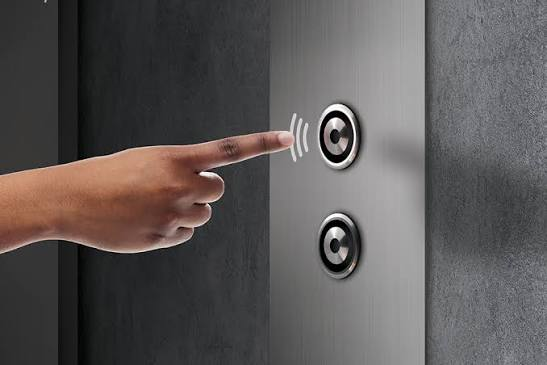

An elevator call is the simple action of requesting an elevator from a specific floor. It may seem like a small part of a building’s system, but it plays an important role in safe, fast, and comfortable transportation. When someone presses an elevator button, the elevator control system receives the request and decides which elevator should respond.
Modern elevator call systems have become more advanced over time. Traditional buttons are now joined by touchscreens, key cards, mobile apps, voice controls, and destination-control systems. These technologies can make elevators easier to use while also improving traffic flow inside busy buildings.
What Is an Elevator Call?
An elevator call is a signal sent to an elevator system when a person wants to travel. In a traditional elevator, users press the up or down button on the landing. The system then records the request and sends an available elevator to that floor.
Inside the elevator, passengers use floor buttons to select their destination. The elevator controller uses these requests to manage movement between floors. In larger buildings, several elevators may work together to answer calls efficiently.
How Does an Elevator Call Work?
The process begins when a passenger presses a call button. The elevator controller receives the signal and checks the current position of available elevators. It also considers their direction, existing passengers, and other registered calls.
The system then chooses an elevator that can respond efficiently. The selected elevator travels to the requested floor, opens its doors, and allows passengers to enter. Advanced systems can make these decisions very quickly.
Types of Elevator Call Buttons
Traditional elevator call buttons are usually marked with arrows. The up button requests an elevator going upward, while the down button requests an elevator going downward.
Some modern buildings use larger touch panels instead of physical buttons. These systems may provide clearer information and can be easier to update. Accessible buttons may also include raised symbols and Braille for passengers with visual disabilities.
Elevator Call Systems in Modern Buildings
Modern buildings often have multiple elevators serving many floors. A basic call system can become inefficient when many people request elevators at the same time.
For this reason, advanced elevator systems use computer-controlled algorithms. They group requests and assign elevators based on traffic patterns. This can reduce waiting times and prevent unnecessary elevator movement.
Destination Elevator Call Systems
Destination-control systems offer a different approach. Instead of simply pressing an up or down button, passengers may enter their destination floor before entering an elevator.
The system then assigns them to a particular elevator. Passengers with similar destinations may be grouped together. This can reduce the number of stops and improve elevator efficiency in busy buildings.
Smart Elevator Call Technology
Smart elevator systems use digital technology to manage elevator traffic. Sensors, software, and connected controllers can collect information about elevator movement and passenger demand.
Some systems can identify busy periods and adjust elevator operation automatically. For example, elevators may be positioned closer to the main entrance during periods when many people arrive at work.
Elevator Call and Accessibility
Accessibility is an important part of elevator design. Call buttons should be easy to see, reach, and operate. They should also provide suitable information for people with different needs.
Modern elevator call systems can include audible announcements, visual floor indicators, Braille markings, and accessible button heights. These features help make elevators more useful for a wider range of passengers.
Elevator Call Safety Features
Safety is a major part of every elevator call system. The elevator should respond only when its control system confirms that movement is safe.
Modern elevators include many safety devices. Door sensors can detect objects in the doorway. Emergency communication systems can help passengers contact assistance. Backup systems may also help during certain power or equipment failures.
Elevator Call in Commercial Buildings
Offices, hotels, hospitals, shopping centers, and apartment buildings can have heavy elevator traffic. A well-designed elevator call system can make a noticeable difference in passenger experience.
In a large office, hundreds of employees may request elevators within a short period. Intelligent control systems can distribute passengers between elevators and reduce overcrowding.
Elevator Call and Energy Efficiency
Elevator control technology can also support energy efficiency. When elevators are not needed, modern systems may place some cars into standby modes.
Smart scheduling can reduce unnecessary trips. Regenerative elevator technology can also recover some energy during certain elevator movements. Together, these features can help buildings manage energy use more effectively.
Common Problems With Elevator Calls
Sometimes an elevator call may not work as expected. A button can become damaged, a sensor may fail, or the control system may experience an error.
Other problems can include slow response times, doors that fail to open correctly, or elevators that do not stop at the requested floor. These issues should be inspected by qualified elevator technicians.
Passengers should never attempt to repair elevator equipment themselves. Elevator systems contain complex electrical and mechanical components that require professional service.
How to Improve Elevator Call Performance
Building owners can improve elevator performance through regular maintenance and modern control systems. Routine inspections help identify problems before they become serious.
Software updates and controller improvements may also increase system efficiency. In busy buildings, traffic analysis can help determine whether the current elevator system meets passenger demand.
Clear signage is another useful improvement. Passengers should understand how to request an elevator and where to enter after receiving their assignment.
The Future of Elevator Call Technology
The future of elevator call technology is likely to become even more connected. Mobile devices, artificial intelligence, sensors, and building-management systems can work together to improve elevator operations.
Mobile elevator calls may allow authorized users to request an elevator through an app. Contactless systems could also reduce the need to touch shared surfaces.
Artificial intelligence may help predict passenger demand before large groups arrive. This could allow elevators to prepare for busy periods and improve overall building movement.
Why Elevator Call Systems Matter
An elevator call system may look simple, but it controls an important part of a building’s transportation network. A reliable system helps passengers reach their destinations with less waiting and fewer unnecessary stops.
For building owners, efficient elevator operation can improve customer satisfaction, accessibility, energy management, and daily productivity. Choosing the right system depends on building size, passenger demand, safety requirements, and available technology.
Conclusion
An elevator call is more than pressing a button. It is the first step in a coordinated process that connects passengers with an elevator. Modern systems use advanced controllers, sensors, software, and accessibility features to make elevator travel faster and safer.
As buildings become smarter, elevator call technology will continue to evolve. From traditional buttons to destination control and mobile requests, these systems are becoming an important part of modern building design. A reliable elevator call system can improve the experience for everyone who depends on vertical transportation.