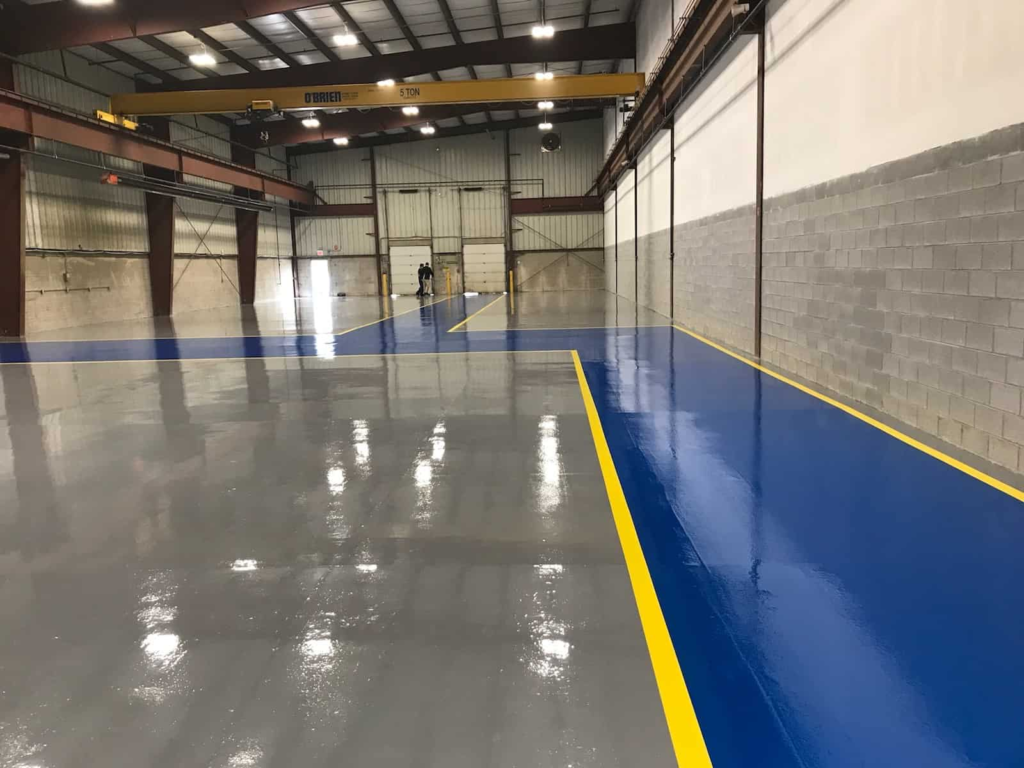

Polyurethane floor coating is a popular flooring solution for residential, commercial, and industrial spaces where durability, appearance, and long-term performance are important. This type of coating creates a strong protective layer over concrete and other suitable surfaces, helping floors resist abrasion, chemicals, moisture, stains, and everyday wear. It is available in different finishes and colors, making it suitable for both practical and decorative applications.
Whether you are upgrading a garage, warehouse, commercial facility, workshop, or production area, polyurethane floor coating can provide a smooth and professional-looking surface. Understanding its benefits, applications, installation process, and maintenance requirements can help you determine whether it is the right choice for your flooring project.
What Is Polyurethane Floor Coating?
Polyurethane floor coating is a protective resin-based flooring system applied over a properly prepared floor surface. Once cured, it forms a tough, seamless layer that protects the underlying concrete from physical and environmental damage.
Polyurethane coatings are known for their flexibility and resistance to abrasion. Compared with some traditional floor finishes, they can handle frequent foot traffic, equipment movement, and demanding working conditions. Depending on the formulation, polyurethane can also provide resistance to ultraviolet exposure, chemicals, oils, and moisture.
The coating can be installed in different thicknesses and finishes depending on the requirements of the space. Professional installers typically select the appropriate polyurethane system based on traffic levels, environmental conditions, and the intended use of the floor.
Key Benefits of Polyurethane Floor Coating
One of the main reasons polyurethane floor coating is widely used is its combination of durability and attractive appearance. It offers several benefits for property owners and facility managers.
Excellent Durability
Polyurethane creates a hard-wearing surface that can withstand regular traffic and mechanical stress. This makes it useful in warehouses, workshops, garages, factories, and commercial environments where floors are exposed to constant use.
Resistance to Abrasion
High-traffic areas can quickly show scratches, scuffs, and signs of wear. Polyurethane coatings provide strong abrasion resistance, helping the floor maintain its appearance for longer.
Chemical Resistance
Many workplaces deal with oils, cleaning products, solvents, and other chemicals. A suitable polyurethane floor coating can provide protection against various chemical substances, reducing the risk of damage to the underlying floor.
Moisture Protection
Polyurethane coatings can help protect concrete surfaces from moisture and water-related problems when the correct system is selected and installed properly. This makes them useful in areas where occasional exposure to liquids is expected.
Attractive Finish
Besides protection, polyurethane floor coating can improve the visual appearance of a floor. It can provide a smooth, clean, and professional finish in a variety of colors and gloss levels.
Common Applications of Polyurethane Floor Coating
Polyurethane floor coatings are versatile and can be used in many environments. Their performance characteristics make them particularly useful in areas where durability and easy cleaning are important.
Industrial Facilities
Factories and manufacturing facilities often require floors that can tolerate heavy traffic, machinery, spills, and frequent cleaning. Polyurethane coatings can provide a protective surface designed for demanding industrial environments.
Warehouses
Warehouse floors experience constant movement from workers, carts, pallets, and equipment. A durable coating can help reduce surface wear while making the floor easier to maintain.
Garages and Workshops
Polyurethane floor coating is also a practical option for garages and workshops. It can create a clean, attractive surface that is easier to sweep and clean than unfinished concrete.
Commercial Spaces
Retail stores, offices, showrooms, and other commercial properties can benefit from the professional appearance of coated flooring. Different colors and finishes can be selected to complement the interior design.
Food and Processing Areas
Some polyurethane flooring systems are designed for environments where hygiene and frequent cleaning are priorities. Their seamless nature can make cleaning easier by reducing areas where dirt and contaminants can accumulate.
How Is Polyurethane Floor Coating Installed?
Proper installation is essential for achieving long-lasting results. The first step is surface preparation. The concrete must be clean, dry, and free from oil, grease, dust, loose material, and other contaminants.
Cracks, holes, and damaged areas should be repaired before coating begins. Depending on the condition of the floor, mechanical grinding, shot blasting, or other preparation techniques may be used to create a suitable surface profile.
After preparation, the appropriate primer may be applied. The polyurethane coating is then mixed according to the manufacturer’s specifications and spread evenly across the prepared surface. Additional coats may be required depending on the desired thickness and performance requirements.
The floor must be allowed to cure for the recommended period before heavy traffic or equipment is introduced. Professional installation can help ensure consistent coverage, proper adhesion, and a high-quality finish.
Choosing the Right Polyurethane Floor Coating
Not every polyurethane coating is designed for the same environment. Before choosing a product, consider the expected traffic, temperature, chemical exposure, moisture levels, and cleaning requirements.
For industrial areas, a heavy-duty formulation may be appropriate. For garages or commercial spaces, appearance and ease of maintenance may be equally important. It is also important to consider whether the floor will be exposed to sunlight, since some polyurethane systems provide better UV resistance than others.
Working with an experienced flooring professional can help identify the right coating system for the specific application.
Maintenance of Polyurethane Flooring
One advantage of polyurethane floor coating is that it is relatively easy to maintain. Regular sweeping or dust removal can prevent abrasive particles from wearing the surface. Spills should be cleaned promptly, especially in workplaces where chemicals or oils are present.
Routine cleaning can usually be performed with appropriate neutral cleaning products and clean water. Harsh chemicals or abrasive cleaning equipment should only be used when approved for the specific coating system.
Heavy furniture, machinery, or equipment should also be moved carefully to minimize unnecessary damage to the coating.
Polyurethane Floor Coating vs. Traditional Concrete
Uncoated concrete can be durable, but it is porous and may absorb oils, liquids, and stains. Over time, regular traffic can also produce dust and surface deterioration.
A polyurethane floor coating adds a protective layer that can improve resistance to stains, abrasion, and certain chemicals. It can also provide a more uniform appearance and make routine cleaning easier.
For property owners looking for a combination of protection and visual appeal, coating an existing concrete floor can be a practical alternative to replacing the entire surface.
Cost Considerations
The cost of polyurethane floor coating depends on several factors. These include the size of the area, condition of the existing floor, required surface preparation, coating thickness, number of coats, product quality, labor costs, and project complexity.
Although a high-quality coating may require a larger initial investment, its durability and lower maintenance requirements can make it a cost-effective flooring solution over time. Getting multiple professional estimates can help property owners compare available systems and installation requirements.
Why Professional Installation Matters
A high-quality polyurethane coating depends not only on the product but also on proper preparation and application. Poor surface preparation can lead to adhesion problems, bubbling, peeling, or premature wear.
Experienced flooring contractors understand how to evaluate concrete conditions, prepare surfaces, select compatible primers, and apply coatings according to manufacturer recommendations. Professional installation can therefore improve the appearance, performance, and service life of the finished floor.
Final Thoughts
Polyurethane floor coating is a durable and versatile option for protecting and improving concrete floors. Its resistance to abrasion, chemicals, moisture, and everyday traffic makes it suitable for industrial, commercial, residential, and workshop environments. With proper preparation, professional installation, and regular maintenance, a polyurethane-coated floor can provide a clean and attractive surface for many years.
When selecting a polyurethane floor coating, consider the specific demands of your space rather than choosing a product based only on appearance or price. The right coating system can provide long-lasting protection while improving the overall functionality and appearance of the floor.